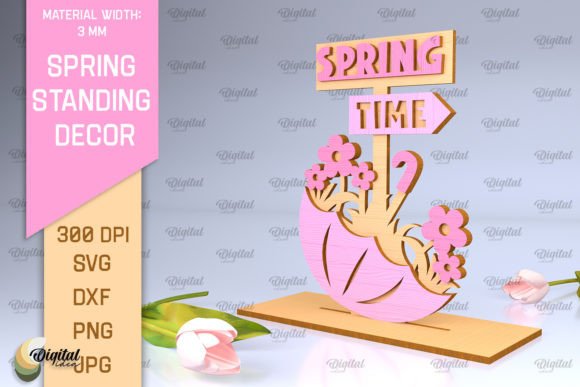
3D Spring Standing Decor Laser Cut for Embroidery Projects
As an experienced designer and embroidery product reviewer, I’ve seen countless digital designs come and go. Some are flash in the pan, while others offer real value for both personal creativity and commercial use. The 3D Spring Standing Decor Laser Cut is one of those designs that stands out—not just for its visual appeal but for how it functions within a broader creative workflow. Let me walk you through my honest evaluation from a practical perspective.
First Impressions: A Design with Depth and Personality
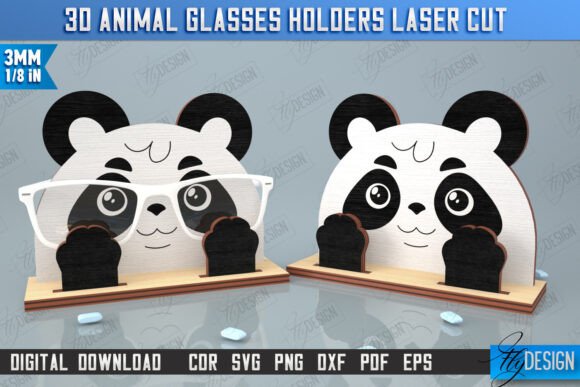
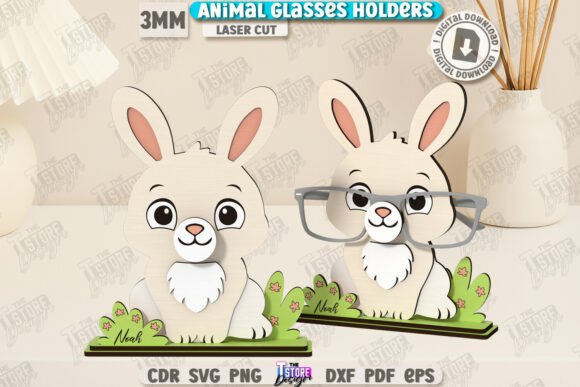
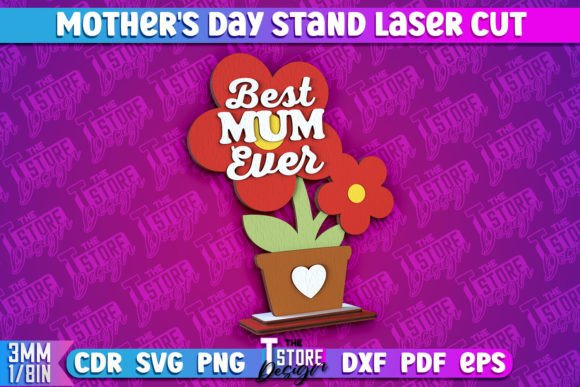
The 3D Spring Standing Decor Laser Cut immediately conveys a sense of springtime cheer with its layered floral elements and dimensional layout. It’s not just flat; the design gives off a tactile feel even before stitching, thanks to its thoughtful layering and structure. This kind of personality makes it ideal for projects where the goal is to create something eye-catching yet subtle—like a custom tote bag or baby apparel. The theme feels versatile enough to work on a range of products, from sweatshirts to decorative patches, while still maintaining a cohesive and elegant look.
What really caught my attention was the balance between detail and simplicity. There's enough intricacy to suggest craftsmanship without being overwhelming. That’s a big plus when considering how it will translate into stitch form, especially if you're planning to apply it on items like pillow covers or holiday gifts where presentation matters a lot.
Real-Life Use Cases: Where This Design Shines
Let’s imagine a scenario where you’re preparing a line of personalized baby items for your Etsy shop. You want something whimsical yet professional. The 3D Spring Standing Decor Laser Cut could be used as part of a layered applique technique, where each laser-cut element adds dimension and charm. For example, using it as a central motif on a baby sweater or embroidered patch for a onesie would add a touch of handmade elegance.
I also see this design fitting well on sweatshirt embroidery for boutique branding or small shop products. The 3D aspect can be emphasized by varying thread colors or textures, making the final product feel more premium. For someone selling custom aprons at a craft fair, adding this design as a decorative accent could elevate the perceived value and make the item more giftable.
When it comes to commercial embroidery, the design’s clean lines and structured layers help maintain professionalism. It doesn’t scream “crafty,” which is great for businesses aiming to keep a polished aesthetic. However, it still retains enough handmade warmth to resonate with customers looking for unique, artisanal touches.
Projects to Consider:
- Custom tote bags for spring-themed events or weddings
- Baby clothing with soft pastel thread colors
- Embroidered patches for hats or jackets
- Pillow covers or nursery decor
- Tea towels or kitchen accessories
- Holiday gift tags or packaging accents
- Apparel for small boutiques or local shops
Where to Be Cautious: Practical Limitations
While the 3D Spring Standing Decor Laser Cut has a lot going for it, there are some limitations to consider before jumping into production. If you're working with small hoop sizes, the intricate details might get lost or distorted. This isn’t a problem for large-format pieces like banners or wall art, but for tiny embroidered patches or caps, you’ll need to simplify or scale down carefully.
Textured fabrics such as denim or canvas may challenge the fine corners and delicate lines of the design. Similarly, thin or stretchy materials like rayon or spandex aren’t the best fit unless you reinforce them with proper stabilizers. Dark fabric backgrounds can mute the vibrancy of the design, so it’s important to test thread color contrast early on.
Another thing to note: because of the layered nature of the design, stitching on curved surfaces (think caps or curved parts of a garment) may require extra attention to avoid distortion. Also, frequent washing—such as with tea towels or baby clothes—could wear down the finer parts over time, so recommend it for low-wear or decorative applications when necessary.
Design Challenges to Watch For:
- Small hoop sizes may compromise detail clarity
- Stretchy or thin fabrics need extra stabilization
- Dark fabric backgrounds may reduce visibility
- Curved surfaces require careful placement
- Dense stitch areas might cause puckering without proper support
Visual Appeal and Customer Reaction
One of the strongest points about this design is its ability to catch attention without being garish. The 3D effect adds a modern twist to traditional spring motifs, which means it can stand out in a sea of generic embroidery options. Customers tend to gravitate toward designs that have a clear identity, and this one does.
In terms of handmade product presentation, the design brings a level of sophistication that aligns well with high-quality finishes. It’s perfect for sellers who want their work to reflect care and intentionality. Whether it's a personalized gift or a piece of boutique merchandise, this design helps build customer trust and brand recognition.
For holiday embroidery, the design’s seasonal feel makes it a natural fit. But here’s the kicker: it’s not too kitschy. That balance is key for products you want to resell, especially if they’re meant to last beyond one season.
Designer Notes: Best Practices Before Stitching
Before you commit to using the 3D Spring Standing Decor Laser Cut on your next project, take these steps to ensure it performs well:
- Test on scrap fabric first: Especially if you plan to use it on unconventional materials like felt or linen.
- Check thread color contrast: Make sure the hues pop against your chosen background. Sometimes a white or cream base works better than black.
- Review stitch density: Because of the layered look, you might need to adjust fill stitches to avoid overcrowding or puckering.
- Confirm hoop size requirements: If the design requires a larger hoop, plan accordingly for setup and material needs.
- Inspect small details: Ensure all petals and stems are intact after stitching. Missing parts can affect the overall appearance.
- Test in black and white mockups: See how the design holds up under monochrome lighting conditions, which is common in online listings.
- Compare light and dark fabric backgrounds: This will help you understand its versatility and whether it needs additional shading techniques.
- Use proper stabilizer: Especially when working on stretchy or lightweight materials. A tear-away or cut-away stabilizer could save you from headaches later.
- Check licensing before selling: Since this is a digital embroidery file, always confirm the terms of use if you plan to sell finished items or digital assets.
Adding Value to Your Work
This design has the potential to enhance product value significantly. When applied thoughtfully, it transforms simple items like tote bags or aprons into premium offerings. As an embroidery file, it also opens doors for creating printable mockups and digital previews—essential tools for any Etsy seller or digital product creator.
From a branding standpoint, the 3D Spring Standing Decor Laser Cut supports brand consistency by offering a refined, repeatable motif that can be adapted across various items. Whether you’re building a collection of spring-themed design assets or creating a signature look for your craft business, this design offers flexibility without sacrificing quality.
Final Thoughts for Makers and Sellers
Overall, the 3D Spring Standing Decor Laser Cut is a strong addition to any embroidery designer’s toolkit. It’s not a one-size-fits-all solution, but when matched with the right fabric, thread colors, and product type, it delivers impressive results. Think of it as a foundation for more elaborate compositions or as a standalone feature that adds character to your handmade product lineup.
Its visual personality is warm and inviting, making it suitable for both personal projects and commercial ventures. Just remember to approach it with a bit of strategy—especially when it comes to fabric choice, stabilizer use, and licensing—to unlock its full potential.
If you're in the market for a design that feels fresh yet timeless, this one deserves a spot in your embroidery project library. Just don’t forget to stitch a sample first. After all, every good designer knows that seeing is believing—and sometimes, it takes a few tests to truly appreciate what a design can do.