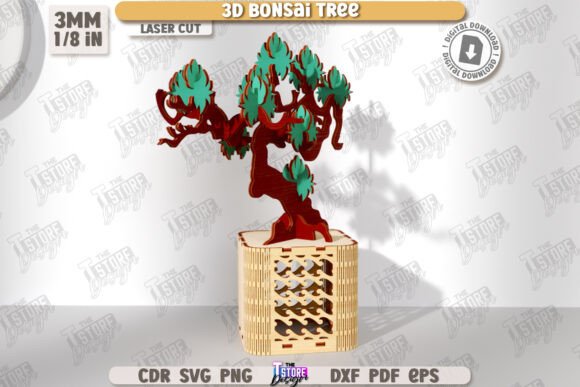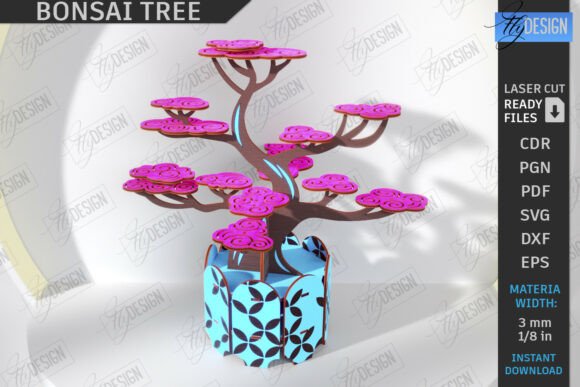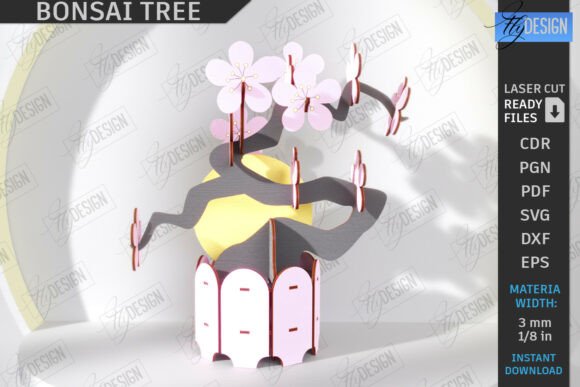
3D Bonsai Tree Laser Cut DIY Orchid
As an embroidery designer who regularly evaluates digital design files for real-world application, I’ve seen my fair share of ornamental patterns and laser-cut layouts. The 3D Bonsai Tree Laser Cut DIY Orchid caught my eye not just for its aesthetic appeal but for the way it bridges craftsmanship with modern fabrication tools. This isn’t your average floral motif—it’s a layered, dimensional piece that invites attention without being overbearing. When I first opened the CNC file for this design, I was struck by the balance between intricate detailing and structural clarity, which immediately told me it could work well in a range of handmade and commercial projects.
A Natural Fit for Custom Apparel and Decor
The bonsai tree is often associated with calm, growth, and mindfulness—qualities that translate beautifully into embroidered products like custom apparel or home decor. In the case of the 3D Bonsai Tree Laser Cut DIY Orchid, the visual personality leans toward elegance and subtlety. It’s not garish or loud; instead, it brings a sense of refinement to any surface it adorns. This makes it particularly suitable for items such as sweatshirts, tote bags, aprons, or even nursery wall art where a quiet sophistication is desired.
I can easily imagine using this design on a personalized baby gift set—think embroidered onesies, pillow covers, or a small wooden plant pot made from laser-cut materials and stitched together with satin-stitched details. The gentle curves and organic flow of the bonsai tree lend themselves to soft, breathable fabrics, especially when paired with minimalistic thread palettes. For Etsy sellers and handmade shop owners, this design could become a signature element that adds value and uniqueness to their offerings.
Performance in Real-Life Embroidery Projects
What sets the 3D Bonsai Tree Laser Cut DIY Orchid apart is how well it holds up across different embroidery techniques and surfaces. The structure is designed with clear separation between cut lines (in red) and engrave lines (in black), making it ideal for those who are integrating laser-cut elements with hand or machine embroidery. If you're planning a project like a decorative wooden plant pot or a framed botanical layout, this design offers clean edges and defined layers that make assembly straightforward.
- Custom Apparel: On a cotton-blend sweatshirt, the design stitches smoothly with moderate stitch density. A subtle blend of running and fill stitches maintains detail while keeping the weight manageable. Thread color contrast is key here—stick with light pastels or muted tones for a softer look, or go bold with emerald greens and deep browns for more impact.
- Tote Bag Design: As a front panel embroidery, it elevates the product from a basic bag to something thoughtful and artistic. Pairing it with a minimalist font or a small monogram would enhance its appeal without overwhelming the viewer.
- Pillow Covers and Tea Towels: These items benefit from the design's natural form. The tree appears grounded and balanced, creating a focal point that doesn’t distract from other elements. Stitch clarity remains high, even on woven linen or cotton canvas, provided proper stabilizer is used.
- Embroidered Patches: The laser-cut aspect allows for precise cutting, so if you're selling these as patches or part of a kit, the finished product looks professionally crafted. Just be sure to account for seam allowances and edge finishes during the production process.
Where to Use with Caution
While the 3D Bonsai Tree Laser Cut DIY Orchid is versatile, there are scenarios where it may require careful handling. For instance, stitching it onto stretchy or thin fabric can cause distortion unless the right stabilizer is applied. Similarly, if you’re working within a small hoop size, some of the finer branches might get lost or misaligned. Textured fabrics like denim or felt can also challenge stitch clarity, especially in dense areas.
If you plan to use this on dark fabric, consider thread colors that will pop—light or metallic shades tend to create better visibility. Curved surfaces like caps or hats won’t suit this design well due to the potential for uneven tension and misalignment. Lastly, if your project involves frequent washing (like kitchen towels or children’s clothing), ensure the design is stabilized properly to prevent fraying or warping over time.
Visual Appeal and Brand Consistency
This design has a strong visual identity that aligns well with themes of nature, wellness, and craftsmanship. Its symmetrical trunk and delicate foliage give it a timeless feel, which can help establish brand consistency for a craft business focused on eco-friendly or mindful products. Whether you're using it on a holiday gift tag or a boutique logo patch, the bonsai tree adds a touch of class and intentionality.
From a customer perspective, the design evokes a sense of care and quality. People who appreciate handmade goods often respond positively to symbols of growth and balance, making this a great choice for personalized gifts and small shop merchandise. However, it’s important to note that the ornate nature of the tree means it may not suit every style. Stick to designs where simplicity and depth are valued over maximalism.
Design Notes for Maximum Impact
Before incorporating the 3D Bonsai Tree Laser Cut DIY Orchid into your next embroidery project, take a few practical steps to ensure success:
- Test on scrap fabric: Especially if you're combining laser-cut elements with embroidery, test the final layout on a similar material to see how everything interacts.
- Check thread color contrast: Darker backgrounds may need brighter threads to maintain visibility. Always review your mockups under various lighting conditions.
- Review stitch density: Dense stitch areas around the base of the tree may affect fabric integrity. Adjust stitch settings if necessary to avoid puckering.
- Confirm hoop size: While the design isn’t overly large, it does include multiple layers and fine details that should be accommodated in a stable hoop environment.
- Inspect small details: Make sure the tiny leaves and branches don’t get lost in translation when moving from digital file to fabric. Zoom in on your preview before stitching.
- Use proper stabilizer: Especially for delicate or washable items, backing or tear-away stabilizers can make all the difference in preserving the shape and structure of the design.
- Test in black and white: This helps determine whether the design relies too much on specific thread colors or if it stands out regardless of the palette.
- Compare fabric types: See how the design behaves on both light and dark backgrounds. Sometimes what looks good digitally doesn’t translate perfectly in real life.
- Verify licensing terms: Before selling finished products or digital assets based on this design, double-check whether the original file includes commercial rights.
Final Thoughts on Project Viability
In short, the 3D Bonsai Tree Laser Cut DIY Orchid is a well-structured, visually compelling design that fits naturally into a variety of machine embroidery applications. Its ability to merge with laser-cut components gives it a unique advantage over flat, two-dimensional motifs. As someone who creates and reviews design assets for clients and personal projects alike, I find it useful for anything from printable mockups to actual finished products.
However, its effectiveness depends heavily on execution. Choose the right fabric, stabilize correctly, and always test the design in your intended format. For creative entrepreneurs and digital product sellers, this design can serve as a standout element in a collection—but only if handled with the care it deserves.
Overall, the 3D Bonsai Tree Laser Cut DIY Orchid feels like a thoughtful addition to any embroidery file library. It’s not just about the look; it’s about how it performs and how customers receive it. With the right approach, it can elevate your handmade product line and bring a fresh, organic vibe to your commercial embroidery offerings.