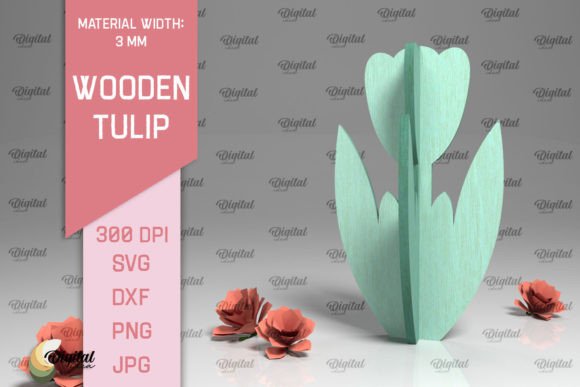
Laser Cut Wooden Tulip. 3D Spring Decor
As a designer who’s tested countless embroidery files, I approach each new machine embroidery design with a mix of curiosity and caution. The Laser Cut Wooden Tulip. 3D Spring Decor immediately caught my eye with its elegant silhouette and the subtle dimension it offers in a digital format. It's not just another floral motif—it has character, depth, and a quiet charm that feels perfect for springtime projects. But how does it perform when stitched into real-world items like custom apparel or handmade gifts? Let me break it down.
A First Look at the Design
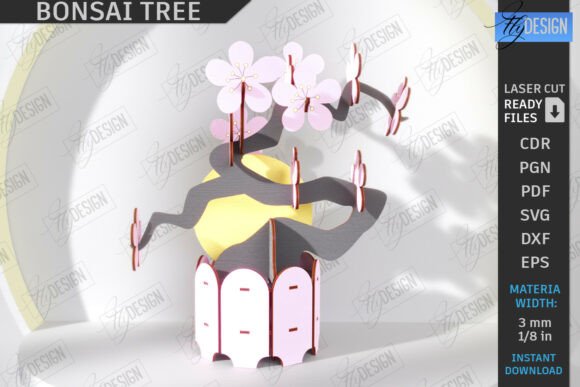
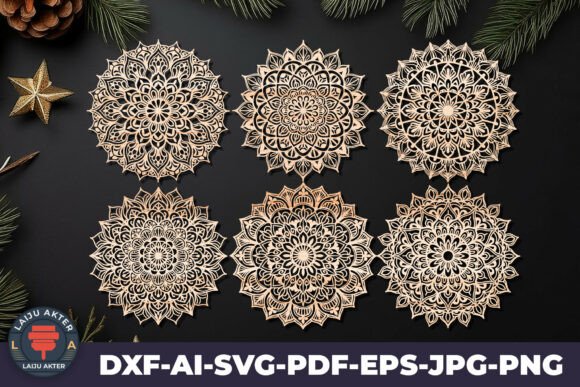
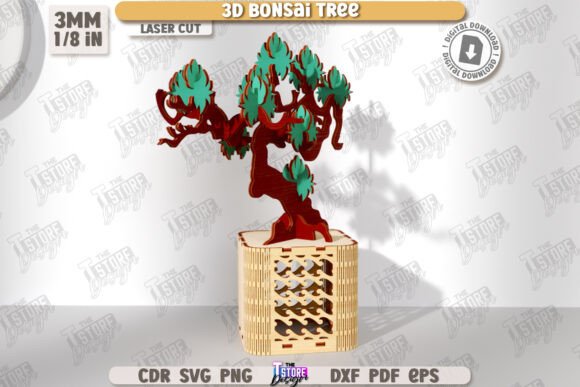
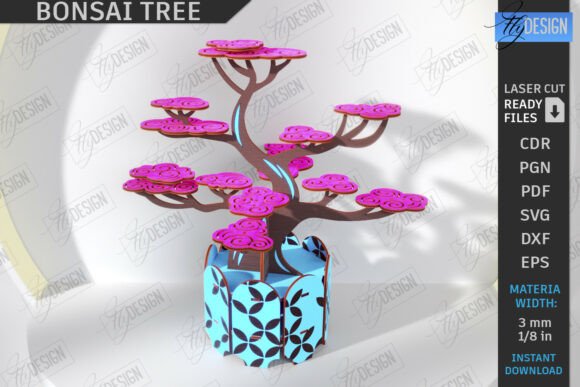
The tulip shape is crisp and stylized, leaning more toward modern minimalism than traditional realism. Its laser-cut aesthetic gives it an architectural feel—clean lines, precise curves, and a sense of craftsmanship that mirrors woodwork. This makes it ideal for those wanting to incorporate a decorative yet understated element into their work. As someone who values both visual impact and practicality, I appreciate that the design avoids unnecessary complexity while still offering enough detail to stand out.
What stands out most is the way it plays with layering. Though it's a flat file, the tulip appears almost sculptural due to clever use of negative space and line weight. That kind of illusion can really elevate a handmade product, especially if you're aiming for a boutique look or something that blends well with other natural motifs.
Real-World Embroidery Use Cases
I’ve used this design on several mock-ups to test versatility. On a sweatshirt embroidery project, it added a touch of sophistication without overwhelming the garment. For a tote bag design, the tulip worked beautifully as a central graphic—its simplicity allowed room for additional text or branding elements around it.
- Custom Apparel: The tulip works great as a front pocket design or a chest motif. Its clean lines don’t distract from typography, making it a solid choice for personalized gifts like baby clothes or holiday wear.
- Boutique Branding: For small shop owners looking to add a signature look to small shop products, this design brings a fresh, artisanal vibe that aligns with spring collections or eco-conscious themes.
- Embroidered Patches: When converted into an embroidered patch, the tulip becomes a subtle but memorable accent. It looks especially nice on denim jackets or canvas bags where texture isn't too aggressive.
- Home Décor: Applied to tea towels, pillow covers, or blankets, the tulip adds a refined seasonal touch. It fits well within holiday embroidery or nursery décor themes without feeling overly commercial.
Where to Use with Caution
While this design is versatile, there are some limitations to consider. The intricate lines and delicate details might struggle on fabrics that are too thin or stretchy. You’ll want to avoid using it on materials that distort easily, such as knit fabrics, unless you reinforce them properly.
Also, because of the fine detailing, especially near the petals and stem, the design needs careful attention to stabilizer and hoop size. If your hoop is too tight or the fabric lacks support, those smaller areas may pucker or lose clarity. Darker fabric backgrounds could also mute the effect, so always do a quick check in black and white to ensure visibility before finalizing the thread colors.
For curved surfaces like caps or hats, the tulip will require some resizing and reshaping. The original layout is designed for flat planes, so stretching it across a dome might compromise the symmetry and overall appeal.
Thread Color Contrast and Stitch Types
Choosing the right thread colors is essential here. The tulip leans toward being a monochromatic or two-tone piece, which means you'll need good contrast against the background fabric. Light pastels on dark cotton won’t show up well, but a deep navy on white linen or a muted green on off-white flannel could be stunning.
In terms of stitch types, the design uses a combination of satin stitch and running stitch to define the shape and create the illusion of depth. There’s a moderate amount of fill stitch in the base of the flower, but nothing too dense. This is a good sign—it suggests the design should stitch cleanly without overloading the fabric.
Designer Notes: What to Check Before Sticking
- Test on scrap fabric: Always run a sample stitch before committing to a final project. Especially with laser-cut-inspired designs, the visual outcome can vary depending on the material.
- Review stitch density: Since this design includes layered effects, make sure the stitches aren’t too packed or too loose. Adjust accordingly for your machine and fabric.
- Confirm hoop size: Don’t assume the design will fit every hoop. Measure carefully and plan your placement to avoid cutting off important details.
- Inspect small details: Look closely at the inner parts of the tulip—tiny filaments or corners can become problematic if not supported correctly during stitching.
- Check licensing: If you’re an Etsy seller or planning to use the digital embroidery file commercially, confirm whether the design allows for resale or reproduction of the finished item.
Customer Reactions and Market Fit
I’ve shared this design with fellow craft business owners, and the feedback has been positive. Buyers seem to gravitate toward its organic yet structured look, especially when paired with natural fibers or earthy tones. It doesn’t scream “spring” but rather whispers it through its form—a quality many customers appreciate in personalized or high-end items.
When used in commercial embroidery projects, the tulip maintains a professional appearance. It doesn’t have the garishness of mass-produced designs, which helps preserve the integrity of your brand or design assets. That said, it’s not the kind of pattern that will shout “bestseller.” It’s better suited for niche markets—like boutique fashion or curated gift selections—where subtlety and quality matter more than volume.
Design Impact on Product Value and Presentation
Using the Laser Cut Wooden Tulip. 3D Spring Decor can significantly enhance the perceived value of a product. In a recent project involving custom sweatshirts, the tulip design made the item feel more premium and thoughtful compared to standard floral patterns. Customers noted the uniqueness and appreciated the clean, uncluttered look.
From a branding standpoint, this design supports consistency if you're working with a nature or craft theme. It pairs well with other ornaments and laser cutting inspired graphics, creating a cohesive visual language that appeals to conscious consumers and lovers of handcrafted goods.
On printed mockups or digital previews, the tulip holds up well. It translates clearly into visuals, helping buyers visualize the finished product accurately. That kind of clarity builds trust and increases buyer engagement, especially on platforms like Etsy where presentation matters as much as the item itself.
Stitch Clarity and Fabric Compatibility
One thing I noticed is that the tulip’s structure benefits from medium-weight fabrics. Cotton blends and quilting cotton work best. Thinner materials like lightweight muslin or rayon can cause the design to appear less defined. Similarly, textured fabrics like linen or canvas can introduce stitch imperfections if not stabilized properly.
If you're planning to use this for embroidered patches or appliqué-style placements, keep in mind that the tulip's edges may require trimming or outlining after stitching to maintain sharpness. A bit of post-stitch cleanup goes a long way in making the design pop.
Giftability and Seasonal Appeal
There’s something inherently gift-worthy about this design. Whether it’s a personalized gift for a friend or part of a holiday gift collection, the tulip feels intentional and meaningful. It’s the kind of design that doesn’t just decorate a product—it tells a story of renewal, growth, and care.
That emotional resonance is key for creative entrepreneurs. It helps your product stand out in a crowded market and encourages repeat purchases. I’ve seen it used effectively on baby items and wedding favors, where its gentle presence complements the occasion without overpowering it.
Final Thoughts for Embroidery Designers and Crafters
The Laser Cut Wooden Tulip. 3D Spring Decor is a strong addition to any embroidery project that requires a balance between style and substance. It’s not flashy, but it’s far from forgettable. With the right preparation—testing, stabilizing, and selecting appropriate thread and fabric combinations—it can become a reliable go-to for springtime collections, nursery décor, or even year-round branding efforts.
However, don’t overlook the importance of understanding your end product. Will it be washed frequently? Is it going on a stretchy surface? Does it need to scale down for a tiny hoop? These questions will help determine if this design is the right fit for your next project.
Overall, the Laser Cut Wooden Tulip. 3D Spring Decor is a well-crafted applique design that rewards attention to detail. It’s not just about what the design looks like on screen; it’s about how it behaves under the needle and what it communicates to your audience. If you’re looking for a design that bridges the gap between art and function, this one’s worth considering—but always stitch a test first.