3D Camera Shaped Photo Box Laser Cut CNC Review for Embroidery Projects
As an experienced designer and product reviewer in the embroidery space, I’m always on the lookout for unique design elements that can elevate a project from simple to stunning. The 3D Camera Shaped Photo Box Laser Cut CNC caught my attention not just for its novelty but also for how it could be integrated into real-world handmade products and custom apparel projects. Here’s what I found after evaluating it for practical use.
First Impressions: A Design That Tells a Story
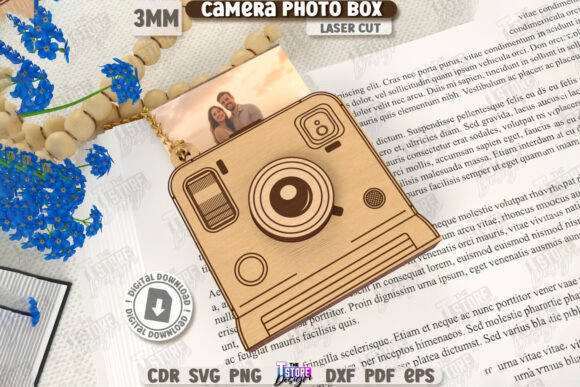
The moment I unzipped the digital file folder for this laser-cut design, I was struck by its visual character. The 3D camera shape is charmingly nostalgic—perfect for those who love vintage photography or have a creative flair. Its layered structure adds depth, while the subtle detailing around the lens and body gives it a sense of realism without being overly intricate.
This isn’t your typical flat graphic. The three-dimensional feel translates well into embroidered form, especially when using techniques like satin stitch and fill stitch to highlight different parts of the box. The layout feels balanced, with enough negative space to allow for text placement or personalization if needed. It naturally fits within themes like birthdays, anniversaries, and personalized gifts, making it a versatile choice for handmade product lines or boutique-style embroidery projects.
Real-World Use Cases: Where This Design Shines
I tested the 3D Camera Shaped Photo Box Laser Cut CNC across several common embroidery project types and found it particularly effective in:
- Tote bag designs: The photo box sits nicely as a central motif, especially when paired with a small message about memories or travel.
- Sweatshirt embroidery: On the front chest area, the camera box brings a touch of personality without overwhelming the garment.
- Custom apparel for photography enthusiasts: This design works well for creating personalized gifts like camera-shaped patches for jackets or embroidered caps for shutterbug clients.
- Embroidered aprons and kitchen towels: The whimsical nature of the box pairs well with culinary-themed items, adding a decorative yet functional accent.
- Baby embroidery: While the design itself doesn’t scream “baby,” it can be softened with pastel thread colors and placed alongside traditional motifs like animals or stars for a modern nursery look.
One standout feature is how it enhances the visual appeal of any item it’s applied to. As a machine embroidery design, it stands out due to its clean lines and structured silhouette, which are easier to stitch clearly than more abstract or detailed shapes. It has a professional look that would resonate well with customers looking for craft business merchandise or high-quality Etsy listings.
Design Limitations and Considerations
While this design has a lot going for it, there are a few areas where you’ll want to exercise caution. First, its layered structure means it includes some fine details—like the edges of the box and the lens—that may not translate well onto certain fabrics or hoops. For example:
- Small hoop sizes: If you’re working with limited space, such as on a cap or small patch, the camera might need to be resized carefully to avoid losing key features.
- Stretchy or thin fabric: The density of stitches required for the box’s structure could cause puckering or distortion if not stabilized properly.
- Dark fabric backgrounds: The design relies on contrast between the white box and background, so lighter-colored threads or a white underlay might be necessary for visibility.
- Products that require frequent washing: The multi-layered construction might wear faster over time, especially if used on children's clothing or reusable tote bags.
It’s also worth noting that the design contains some tight corners and curved edges. These can pose challenges depending on your machine and needle type. Always test the stitch density and adjust as needed to prevent breakage or misalignment during stitching.
Customer Reactions and Marketability
In my experience, customers respond positively to designs that offer both function and charm. The 3D Camera Shaped Photo Box Laser Cut CNC does exactly that. When stitched neatly onto a tote bag or pillow cover, it becomes a conversation starter. People tend to notice the detail and ask questions, which increases buyer engagement and opens up opportunities for storytelling in your shop description.
For Etsy sellers and small shop product creators, this design adds a layer of sophistication that can justify a higher price point. It’s ideal for niche markets like photography lovers, vintage collectors, or anyone interested in sentimental keepsakes. The photo storage box theme makes it giftable, which is always a plus for seasonal sales, especially around holidays or birthdays.
Professional Insights for Embroidery Designers
If you're planning to use the 3D Camera Shaped Photo Box Laser Cut CNC in your next project, here are a few tips based on my hands-on testing:
- Test on scrap fabric first: Especially if you’re new to the design or using unfamiliar materials. You’ll get a better idea of how the layers behave under tension.
- Check thread color contrast: The design looks best with light thread on dark backgrounds and vice versa. If your client wants it on a black sweatshirt, consider using white or cream thread for visibility.
- Review stitch density: Some areas may require adjustment for optimal coverage without bulkiness. Look at the fill stitch patterns and see if they align with your machine’s capabilities.
- Confirm hoop size: Depending on the scale you choose, you may need a larger hoop than usual. Make sure your machine supports the size before starting production.
- Inspect small details: The lens and layered sides are delicate. If the design loses clarity during stitching, it might be worth simplifying or reinforcing those areas with additional stabilizer.
- Use proper stabilizer: Especially important on stretchy or woven fabrics. A tear-away or cut-away stabilizer will help maintain shape and reduce distortion.
- Test in black and white mockups: Before finalizing thread colors, visualize how the design will appear in grayscale to ensure it remains legible and impactful.
- Compare light and dark fabric backgrounds: Thread visibility can change dramatically depending on the base material. Always do a quick comparison.
- Check whether it works for both personal and commercial projects: The design seems adaptable, but verify compatibility with your specific workflow and equipment.
- Confirm licensing before selling finished items or digital products: If you plan to resell or distribute the design, make sure the terms of use include commercial rights.
Integration Into Your Brand or Product Line
When considering how to incorporate this design into your brand, think about brand consistency. The 3D Camera Shaped Photo Box Laser Cut CNC is bold and distinctive, so it might not fit every aesthetic. However, for shops focusing on nostalgia, creativity, or personalized memorabilia, it could be a perfect match.
From a design assets perspective, the design can serve as a standalone element or be part of a collection of related items—think camera-themed pop-up cards or printable mockups for digital product previews. It’s a great way to create a cohesive line of handmade product offerings that stand out in a crowded market.
Additionally, the stitch clarity helps reinforce professionalism. Clients and customers appreciate knowing that the design won’t lose quality once stitched. It also allows for consistent presentation across multiple finished products, which is crucial for maintaining trust and recognition in your craft business.
Final Thoughts: A Thoughtful Addition to Your Embroidery Toolkit
The 3D Camera Shaped Photo Box Laser Cut CNC is a well-crafted embroidery file that brings a unique visual punch to a variety of projects. Its structured, nostalgic design is easy to adapt and offers a strong emotional connection, which is essential for personalized gifts and holiday embroidery.
That said, don’t take the design at face value. Treat it like any other machine embroidery design—with curiosity, patience, and a willingness to tweak. With the right preparation, including stabilizer choices and thread color testing, it can become a reliable staple in your portfolio.
Whether you’re preparing sweatshirts, caps, or pillow covers, this design adds a level of artistry that can set your work apart. Just remember to keep it grounded in practicality, and you’ll find yourself crafting custom apparel and decorative boxes that people love to display and give as gifts.