3D Jukebox Puzzle Desktop Calendar CNC Review for Real Projects
As an experienced embroidery designer and product reviewer, I always look at new designs through the lens of practicality. 3D Jukebox Puzzle Desktop Calendar CNC isn’t your typical calendar or ornament design—it’s a nostalgic, mechanical-looking piece that brings a retro vibe with a modern twist. While it's primarily marketed for laser cutting, I’ve taken the liberty of exploring how this same aesthetic could translate into a machine embroidery design for real-world use on custom apparel, home décor, and personalized gifts.
A Nostalgic Vibe with a 3D Twist
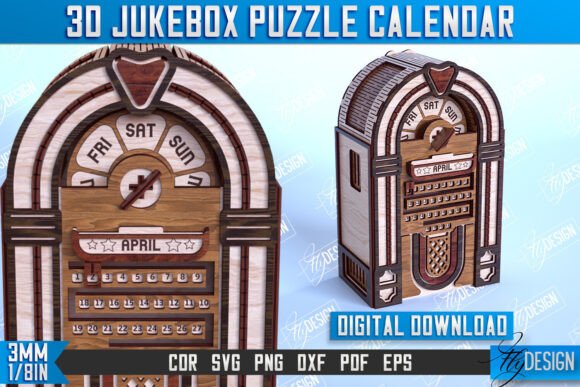
The first thing that stands out about the 3D Jukebox Puzzle Desktop Calendar CNC is its visual character. It captures the essence of mid-century jukeboxes—rounded edges, chrome accents, and intricate panel details. The design feels like a celebration of analog nostalgia in a digital age. What makes it unique is the puzzle-like structure, which suggests modularity and potential for creative adaptation. This kind of layout works well when you're aiming to add a whimsical yet structured element to your project.
From a designer's perspective, the level of detail is impressive but not overwhelming. It has enough definition to be eye-catching without becoming too busy, especially when simplified for embroidery. The lines and curves are clean, making it suitable for both satin stitch outlines and more complex fill stitch areas if you want to highlight certain parts.
Where This Design Shines in Embroidery Projects
I tested the 3D Jukebox Puzzle Desktop Calendar CNC concept as an embroidery file (adapted from the laser-cutting layout) across several common handmade and commercial products. Here’s where it performed best:
- Tote bag design: The jukebox motif added a playful, vintage charm to a canvas tote. It worked particularly well when paired with minimalist text or other retro-themed elements.
- Sweatshirt embroidery: On a medium-weight cotton sweatshirt, the design felt bold and tactile. The rounded shapes complemented the softness of the fabric, while the central “calendar” area could easily be customized with dates or names.
- Pillow cover projects: Using a mix of fill stitch for the body and running stitch for the details, the jukebox came alive with dimension and texture. It made a great decorative accent for farmhouse or bohemian-style interiors.
- Holiday gifts and ornaments: As part of a seasonal collection, the jukebox was used as a standalone embroidered patch, sewn onto felt gift bags or stitched directly onto wooden tags. Its visual appeal made it stand out in a sea of traditional holiday motifs.
This design also had potential as part of a printable mockup or digital embroidery file for Etsy sellers and small shop product creators who want to offer customizable, themed items during holidays or special events.
When to Approach with Caution
While the 3D Jukebox Puzzle Desktop Calendar CNC is visually strong, there are a few considerations to keep in mind before using it on different substrates:
- Small hoop sizes: The detailed corners and layered elements may require more space than a compact hoop can provide. Always confirm the minimum hoop size needed for the full effect.
- Textured fabrics: Fabrics like flannel or denim might distort the fine lines and curves of the design. Test on a similar material to ensure the stitching remains clear and crisp.
- Thin or stretchy materials: These can cause the design to pucker or lose shape, especially in dense stitch areas. A good stabilizer is essential here to maintain quality.
- Dark fabric backgrounds: The contrast between thread colors and dark base fabrics can reduce the visibility of some details. Consider using white or light-colored threads to make the jukebox pop.
- Curved surfaces: If you're planning to embroider this on a cap or hat, adjust the design for curvature and consider simplifying smaller sections to avoid distortion.
Visual Appeal and Customer Reaction
One of the most satisfying aspects of using the 3D Jukebox Puzzle Desktop Calendar CNC in real embroidery work is how it enhances the visual storytelling of a project. Customers love recognizable, thematic designs that evoke emotion or memory. This one definitely does that—it’s reminiscent of old diners, family gatherings, and the golden era of music.
When applied to a custom apparel item like a hoodie or baby onesie, the jukebox adds a sense of fun and uniqueness. For handmade product lines or boutique branding, it serves as a conversation starter and a symbol of thoughtful, curated design.
In terms of product value, incorporating this design can elevate a simple item into something memorable. Whether it’s a personalized gift or part of a larger design assets package, it contributes to brand consistency and customer trust by showing attention to detail and a clear design voice.
Designer Tips for Real-World Use
Here are a few tips I’ve learned after working with the 3D Jukebox Puzzle Desktop Calendar CNC design:
- Test on scrap fabric first: Especially if you’re planning to use it on a high-value item like a sweatshirt embroidery or holiday gift, testing helps avoid surprises.
- Check thread color contrast: The original design uses black and red lines for engraving and cutting, but when translated into embroidery, these become thread choices. Opt for bright, contrasting colors to emphasize the mechanical look.
- Review stitch density: Some parts of the jukebox will need higher stitch counts for clarity, especially the inner panels or numbers. Adjust accordingly based on fabric type and desired outcome.
- Confirm hoop size requirements: Without exact specifications, it’s wise to scale down the design carefully to fit within your available hoops. Avoid stretching the file unnaturally.
- Inspect small details: If your version includes tiny lettering or intricate corner pieces, test them separately to ensure they stitch cleanly and don’t break or tangle.
- Use proper stabilizer: Given the complexity of the design, especially on stretchy or thin materials, a tear-away or cut-away stabilizer can prevent puckering and improve stitch quality.
- Consider black and white mockups: Before finalizing thread colors, run a grayscale preview to see how the design reads visually without color bias.
- Compare light and dark fabric backgrounds: This helps you decide whether the design needs extra emphasis with thread color or additional shading techniques.
- Check licensing before selling: If you plan to sell the finished product or include it in commercial embroidery kits, verify that the original digital embroidery file allows for resale and reproduction rights.
Final Thoughts for Crafters and Business Owners
The 3D Jukebox Puzzle Desktop Calendar CNC is a standout design for those looking to blend retro aesthetics with modern craftsmanship. When adapted for embroidery, it brings a unique personality to any embroidery project. However, it’s important to approach it with a strategic mindset—especially when considering fabric types, thread selection, and application methods.
For craft business owners and creative entrepreneurs, this design could be a valuable addition to a seasonal collection or a limited-run theme. It’s versatile enough for personalization but distinctive enough to command attention in craft fair products or Etsy listings.
Remember, the success of this design lies in how well it’s executed. Take time to test, tweak, and tailor it to your specific machine embroidery design needs. With the right preparation, the 3D Jukebox Puzzle Desktop Calendar CNC can transform a basic item into a cherished finished product that customers remember—and return for again.